Avascular necrosis (AVN) of the hip is a condition where the blood supply to the...See More
Sep 22, 2026
For Appointment call @ 9891397301

Minimally invasive techniques for effective deformity correction.
.png)
Comprehensive care for bone infections, ensuring complete recovery
.png)
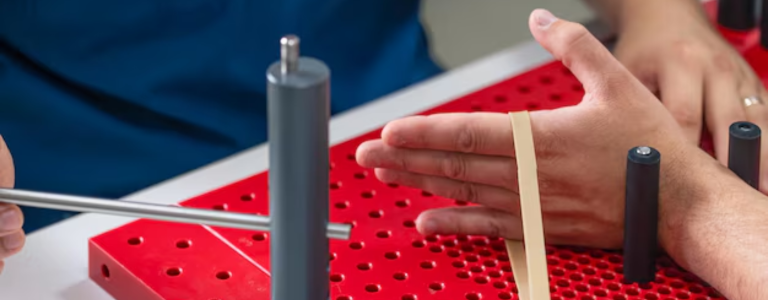
Restore mobility and alleviate pain with cutting-edge joint replacements

Providing compassionate care for your child’s growing bones and joints.

Recover from injuries and optimize performance with specialized sports care

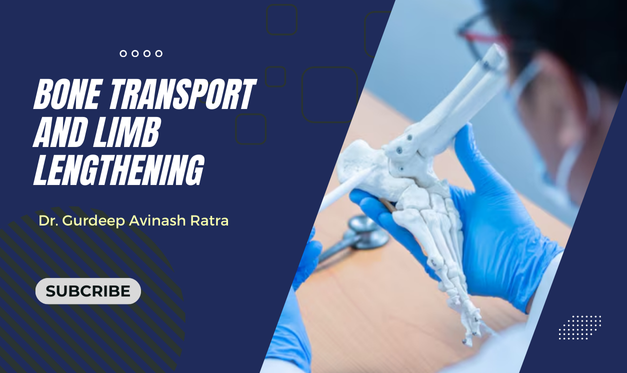
Revolutionary treatment for bone deformities and limb lengthening.

.png)
.png)
.png)
.png)
About Us


Comprehensive Treatments for Better Health and Recovery
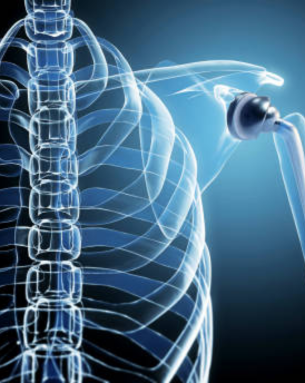
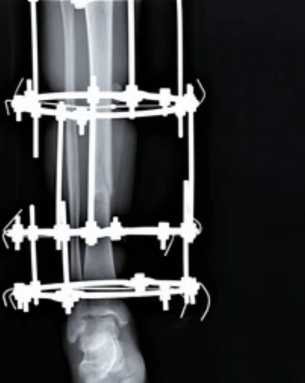
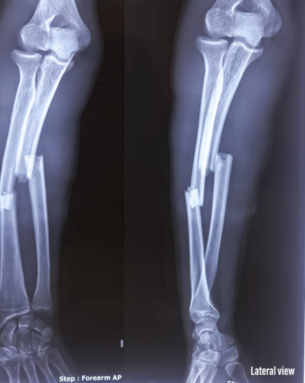
Stay informed with our latest updates, posts, announcements, and healthcare news
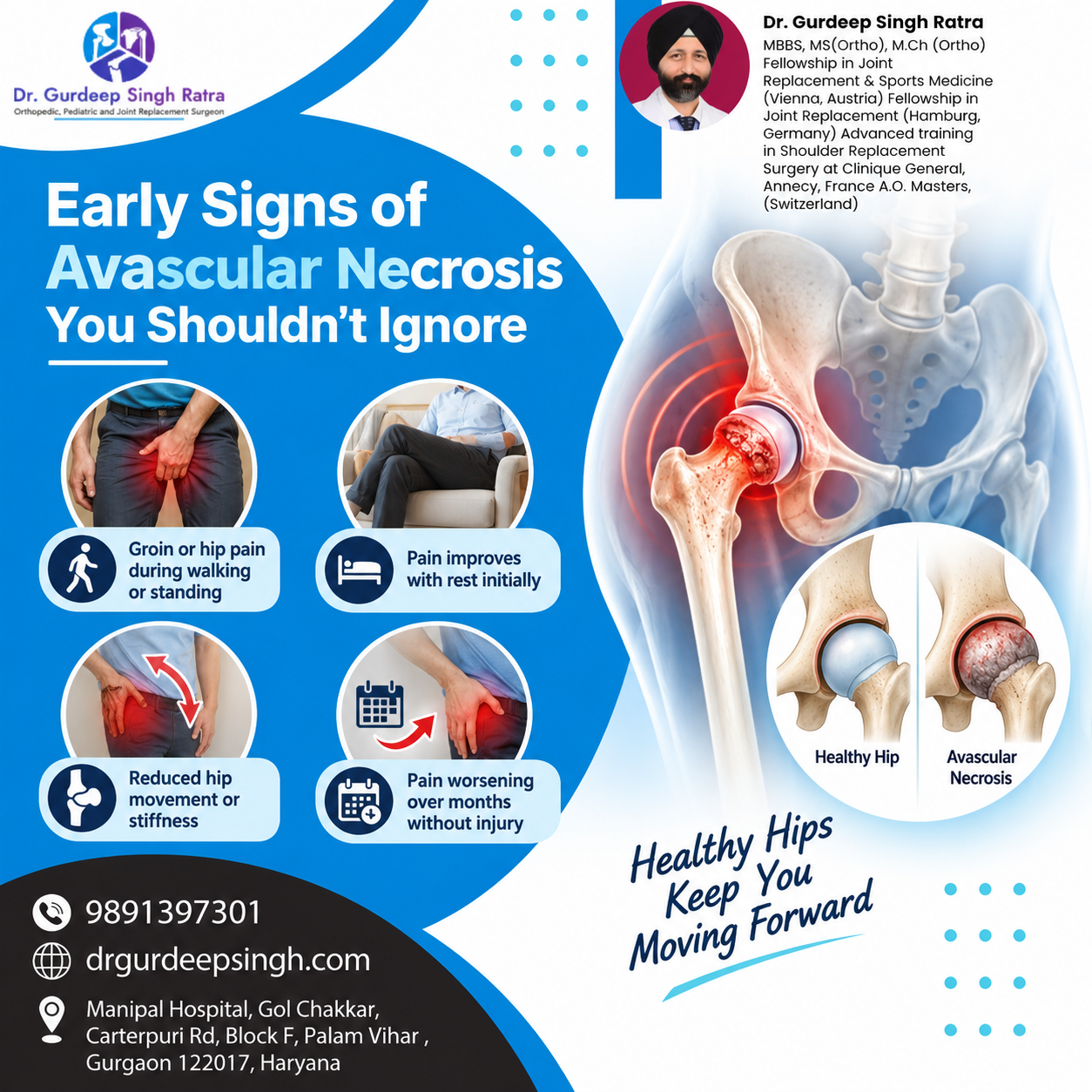
Avascular necrosis (AVN) of the hip is a condition where the blood supply to the...See More
Sep 22, 2026
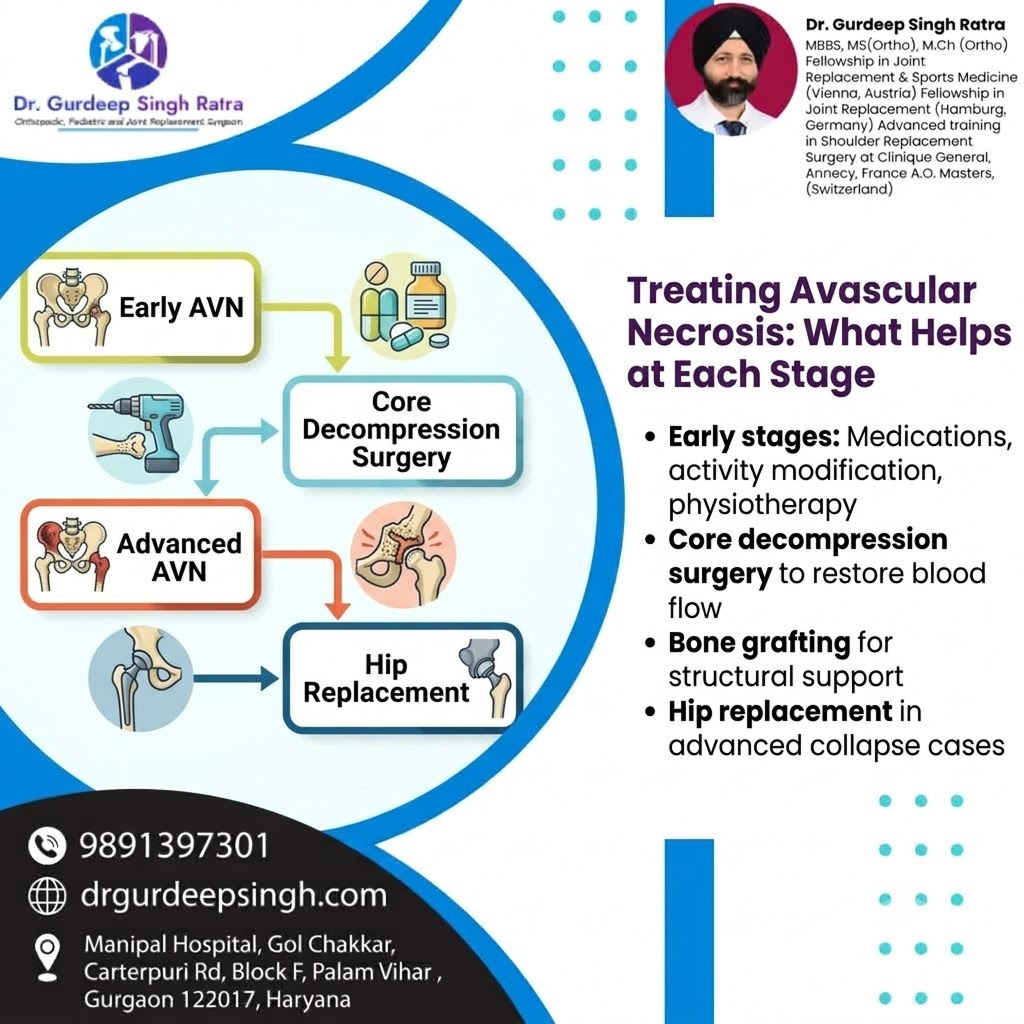
Avascular necrosis happens when bone tissue loses its blood supply and starts to...See More
Sep 15, 2026
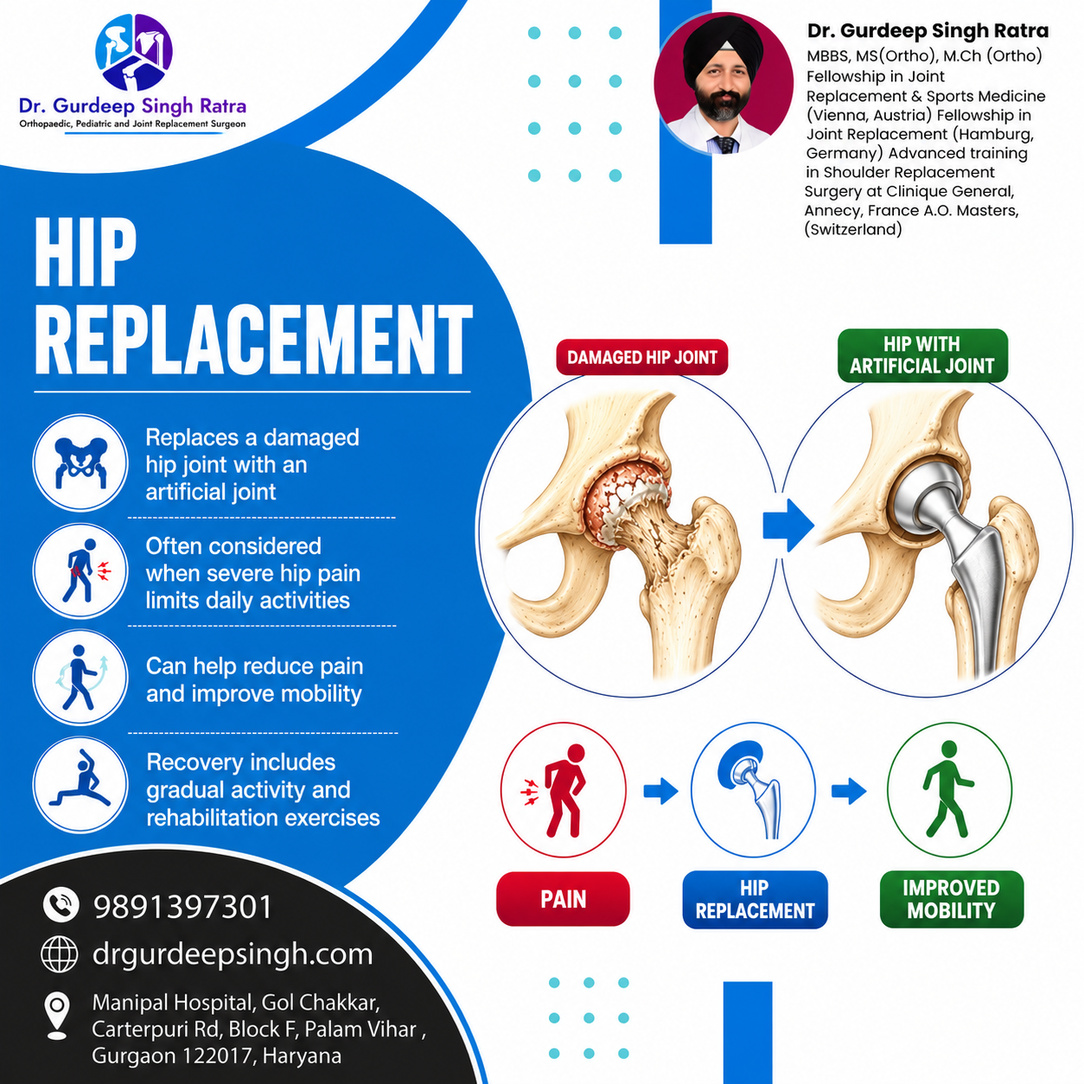
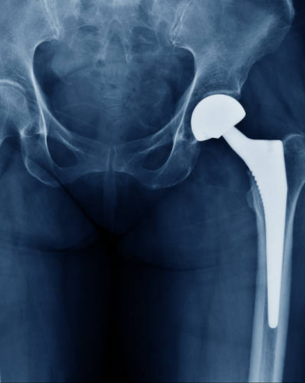
Total hip replacement is surgery to replace a damaged hip joint with an artifici...See More
Aug 25, 2026
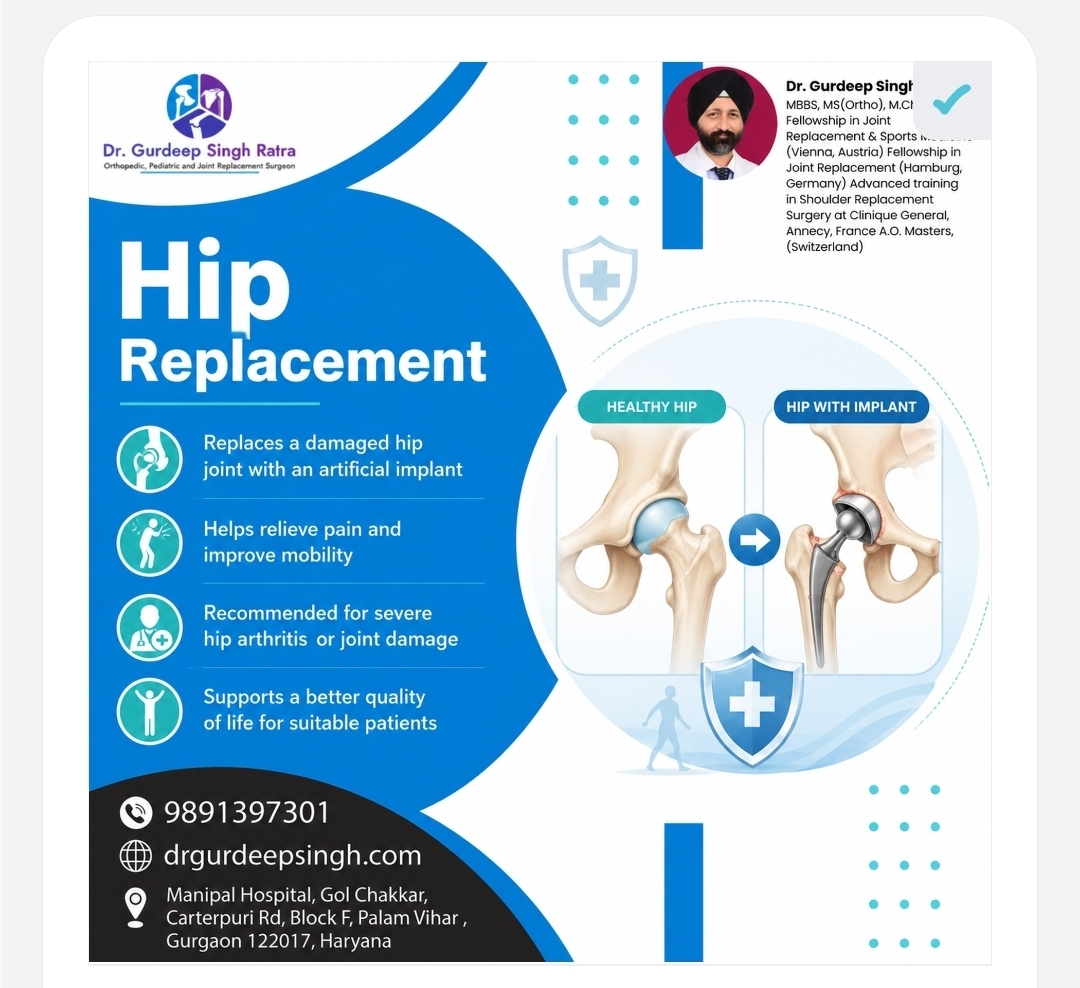
Hip replacement (arthroplasty) is surgery to replace a damaged hip joint with ar...See More
Aug 21, 2026
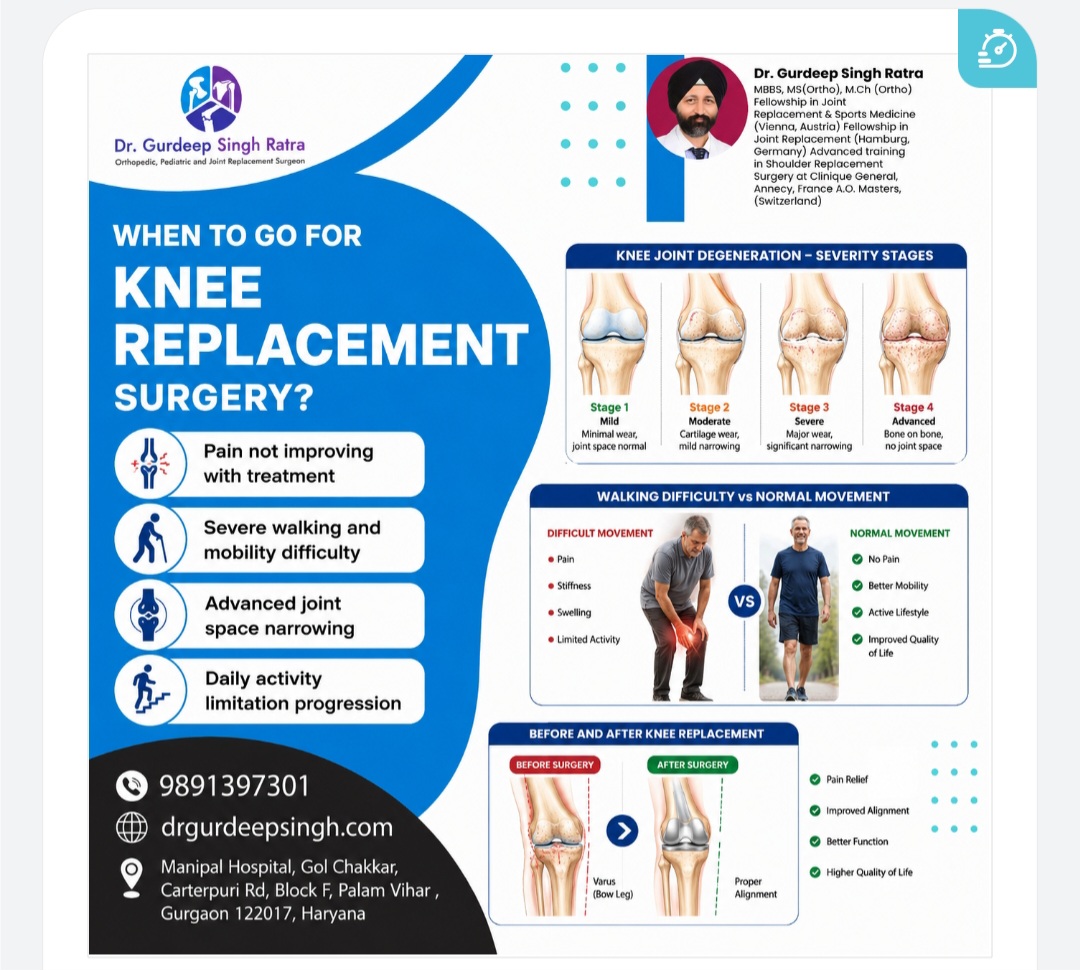
A knee replacement is surgery to remove damaged joint surfaces and replace them ...See More
May 31, 2026

The rotator cuff is a group of 4 shoulder muscles/tendons that stabilize the sho...See More
May 31, 2026
Joint pain can come from overuse, injury, arthritis, infection, or autoimmune di...See More
Mar 22, 2026

Frozen shoulder, or adhesive capsulitis, is a condition characterized by stiffne...See More
Mar 15, 2026
Joint pains can be caused by various factors, such as arthritis, injuries, or ov...See More
Mar 15, 2026
A disc prolapse, commonly known as a herniated or slipped disc, occurs when the ...See More
Feb 28, 2026
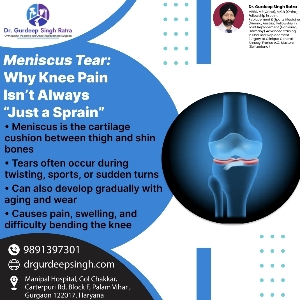
A meniscus tear is a common knee injury involving a tear in the cartilage that c...See More
Feb 17, 2026
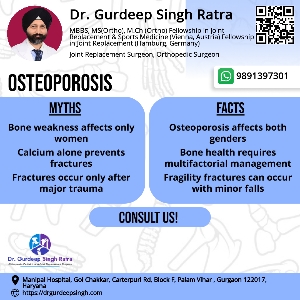
Osteoporosis is a bone disease characterized by low bone mass and deterioration ...See More
Feb 17, 2026
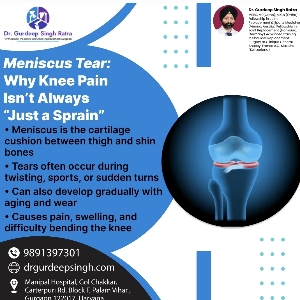
A meniscus tear is a common knee injury involving the rubbery cartilage (meniscu...See More
Feb 09, 2026
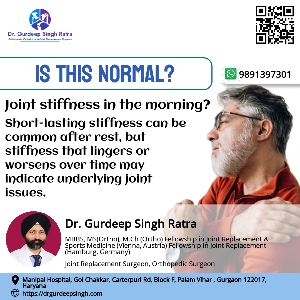
Joint stiffness refers to the difficulty in moving a joint or a sensation of tig...See More
Feb 09, 2026
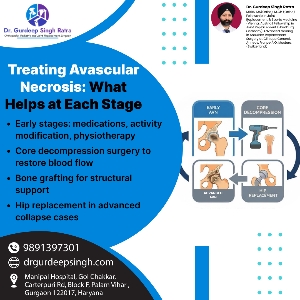
Avascular necrosis (AVN) is a condition where bone tissue dies due to a lack of ...See More
Feb 02, 2026
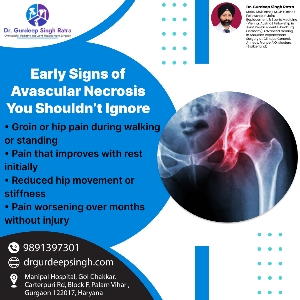
Avascular necrosis (AVN), also known as osteonecrosis, is a condition in which t...See More
Jan 19, 2026
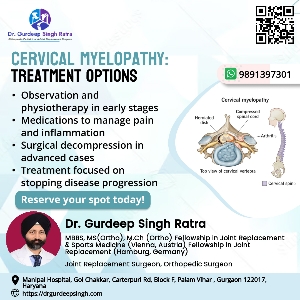
Cervical myelopathy is a condition caused by compression of the spinal cord in t...See More
Jan 15, 2026
Avascular necrosis (AVN) is a condition in which blood flow to a bone is disrupt...See More
Jan 15, 2026

Shin splits, or shin splints, refer to pain along the inner edge of the shinbone...See More
Dec 27, 2025

Carpal tunnel syndrome is a condition caused by compression of the median nerve ...See More
Dec 17, 2025
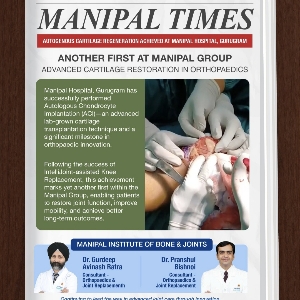
Autologous Chondrocyte Implantation (ACI) is a regenerative procedure used to re...See More
Dec 17, 2025
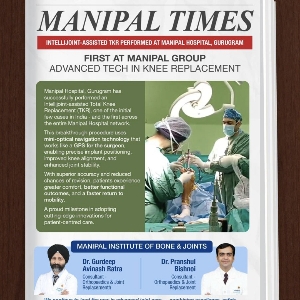
Knee replacement is a surgical procedure where damaged or worn parts of the knee...See More
Dec 10, 2025
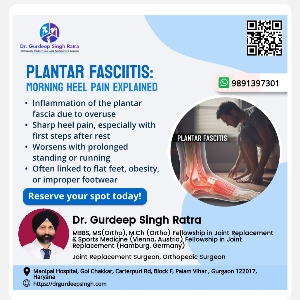
Plantar fasciitis is a common inflammatory condition affecting the plantar fasci...See More
Dec 08, 2025

Tennis elbow, or lateral epicondylitis, is a painful condition caused by overuse...See More
Dec 08, 2025

Frozen shoulder, or adhesive capsulitis, is a condition characterized by stiffne...See More
Dec 08, 2025

Tennis elbow, or lateral epicondylitis, is a condition caused by overuse of the ...See More
Dec 01, 2025
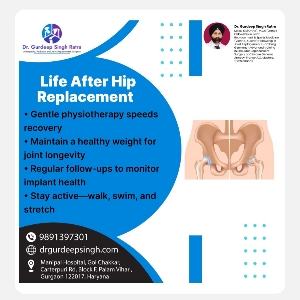
Hip replacement surgery involves replacing a damaged or arthritic hip joint with...See More
Nov 25, 2025

Omega-3 fatty acids, found in fatty fish like salmon, mackerel, and sardines, ca...See More
Nov 25, 2025
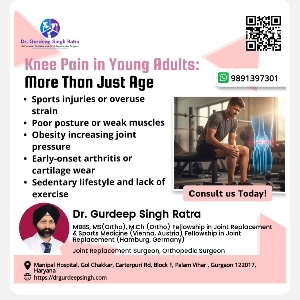
Knee arthritis is a condition where the cartilage in the knee joint wears down, ...See More
Nov 20, 2025
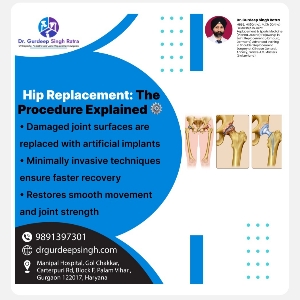
A hip replacement is a surgical procedure where a damaged hip joint is replaced ...See More
Nov 20, 2025
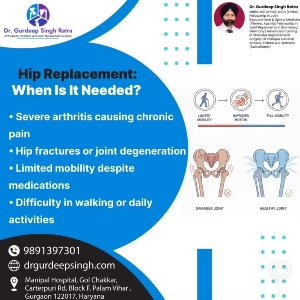
A hip replacement is a surgical procedure where a damaged hip joint is replaced ...See More
Nov 11, 2025
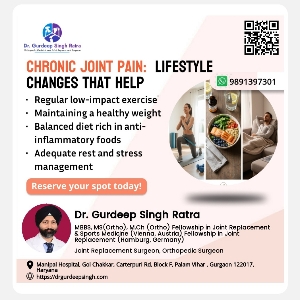
Chronic joint pain can stem from conditions such as osteoarthritis, rheumatoid a...See More
Oct 30, 2025
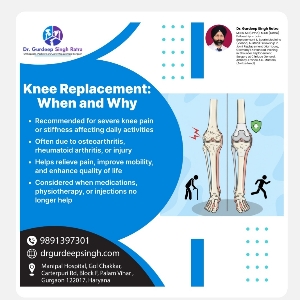
Knee replacement, also known as knee arthroplasty, is a surgical procedure to re...See More
Oct 21, 2025

Happy Diwali! Wishing you a joyous festival filled with light, love, and laughte...See More
Oct 20, 2025

Patellofemoral pain, often called runner's knee, is a condition where pain occur...See More
Oct 16, 2025

Leg pain, tingling, or numbness could , be more than muscle strain -- it may be ...See More
Oct 08, 2025

Meniscus tears are common sports associated injuries. Proper diagnosis and corre...See More
Oct 08, 2025
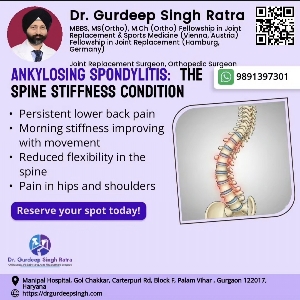
Ankylosing spondylitis (AS) is a chronic inflammatory disease primarily affectin...See More
Sep 14, 2025

Fracture healing is a complex physiological process that involves several stages...See More
Sep 05, 2025

Carpal tunnel syndrome is a condition where the median nerve, which runs through...See More
Sep 03, 2025
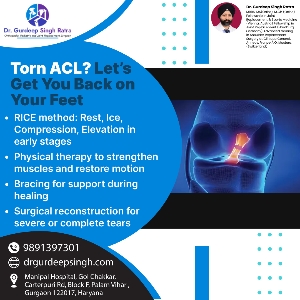
A torn ACL isn’t the end of movement—it’s the beginning of smart recovery. From ...See More
Jul 26, 2025

On Kargil Vijay Diwas, we honor the valiant soldiers who displayed extraordinary...See More
Jul 26, 2025
Joint Replacement Surgeon, Orthopedic Surgeon

What our Patients says about us
Amazing doctor!!!! His professional skills and composed personality are par excellence......I had problem in my left tibia which almost 9 to 10 great orthopedicians of India including doctors at Mumbai and pune refused to operate successfully But Dr. Gurdeep operated confidently and successfully....I m.thankful to the doctor n his team for their dedication and support...

On behalf of my mother Mrs Uma Arora who underwent Total Knee Replacement for both her knees simultaneously in a single sitting. We would like to thank you sincerely from the bottom of our hearts for your care and the comfort you gave her. She was suffering from knee pain and walking difficulty for a very long time and like most people, was very apprehensive about surgery. But after the counseling you gave her with so much patience, she thankfully agreed for the surgery. Today she is so happy to walk freely and without any pain; she says she should have got her knees replaced earlier so she wouldn’t have had to endure all the pain she did all these years before the surgery. I am very thankful that you were the surgeon who operated my mother’s knees. She is very pleased with the outcome of both the knees. Her rehabilitation was absolutely fantastic. Today she is able to perform her daily activities, climb stairs without any pain. Thanks once again for all your efforts. Thank you !!
My life as a hard-working attorney came to a complete standstill in 2009 due to intense pain in my left knee. The pain originated from what doctors called a malunited fracture in my left knee that I got in an accident 9 years ago. The gradually increasing and unbearable pain took over my career and social life. As an attorney, I was required to stand many hours in a courtroom; however the debilitating pain my knee made this nearly impossible and I was beginning to think of early retirement. I had to reschedule my entire life, unable to enjoy the simple daily pleasures of life, like going to a movie or even climbing up the stairs. Thankfully a junior colleague of mine whose father underwent a knee replacement from you referred me to you. Seeing his father walk normally just 6-8 weeks after the operation gave me the courage to undergo my left knee replacement from you. Today I thank God Almighty I took that decision. Now I walk normally with no pain at all. I am back in my profession with renewed vigour and passion. My family and friends all notice that the pain is gone- they say they can tell it in my face. Thank you !!
No words are enough to thank you when you operated on me for my left hip replacement after an old hip socket fracture I had some years ago. Your approach to your patient and the patience with which you explained me about my surgery left a lasting impression on me. I had pain, I used to limp and my left leg was about 1 inch shorter than my right side. Today its been 3 years- I walk very well, legs are equal and most people cannot guess I had some surgery seeing me walk.
Greetings from Nigeria. I am your patient Mary Rose. I am very good. I had old fracture in my right thigh bone operated 5 times here in Nigeria in 6 years but not healed and with 3 inch short. You operated me in 2008- you fixed my bone and put monorail fixator and slowly increase length. Now my fracture healed and both legs almost equal. I can walk without crutches after so many years. I am happy I came to India and show you.
Intra-articular injection by Dr. Ratra worked wonders for my joint pain. Highly recommended for pain relief."
Dr. Gurdeep Ratra is an exceptional surgeon for knee replacement procedures. He provided exemplary care to my mother during her surgery, and we are immensely pleased with the results. Additionally, the staff (Sharukh, Anjali, Rohit, Neha, Anoop) at his facility were also commendable, contributing to the overall positive experience. We wholeheartedly endorse him to anyone seeking a skilled and empathetic surgeon in Gurugram.
My child had clubfoot, and Dr. Ratra's intervention transformed their mobility. His care, from the initial diagnosis to the corrective surgeries, was exceptional. We are grateful for his dedication.
I'm grateful to Dr. Gurdeep for his treatment of my daughter's growth plate injury. His orthopedic care helped her recover and continue with her active lifestyle.
I had a successful herniated disc treatment with Dr.ratra .He is skilled surgeon and I experienced significant pain relief.
Thanks to Dr. Ratra's osteotomy, my mobility has improved significantly. He's a skilled surgeon with a compassionate touch.
Our Latest Videos







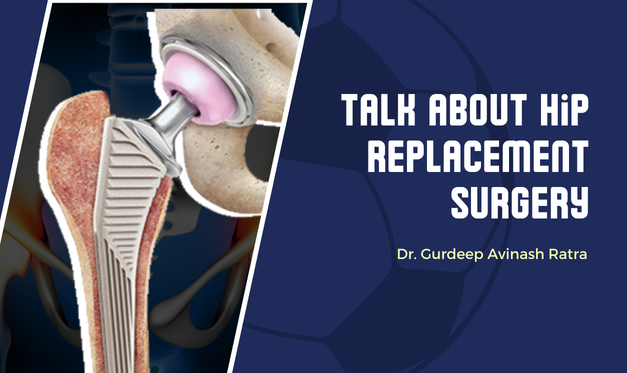





The hospital stay after knee replacement surgery typically lasts 1-3 days, depending on the individual’s recovery progress. Most patients are able to walk with assistance within a day of surgery, and discharge is often possible once pain is well-managed, mobility is improved, and there are no complications. Physical therapy may begin shortly after the surgery to help with recovery.
Physiotherapy is typically required for 6–12 weeks after THR, depending on individual progress. The initial focus is on gentle exercises to restore range of motion and reduce stiffness. Gradually, strength training and gait correction exercises are introduced to improve mobility and stability. Some patients may benefit from extended physiotherapy sessions if they have pre-existing conditions or slower recovery. A tailored program ensures optimal rehabilitation and long-term joint function.
Joint replacement surgeries, including THR, are often covered under most health insurance plans, but coverage specifics vary by policy and provider. Typically, expenses for surgery, hospitalization, implants, and post-operative care are included. However, patients may need to check for exclusions, pre-authorization requirements, and waiting periods. Additional costs, such as rehabilitation and physiotherapy, might be partially covered. It’s advisable to consult with the insurance provider to understand the terms of coverage in detail.
Knee replacement is considered when other treatments, such as medication, physical therapy, or injections, are no longer effective in relieving pain and improving mobility. It is typically recommended for individuals suffering from severe arthritis or joint degeneration, where the knee joint is causing chronic pain, stiffness, and disability, affecting daily activities. Knee replacement can restore joint function, reduce pain, and improve the quality of life, particularly for those with osteoarthritis, rheumatoid arthritis, or post-traumatic arthritis.
Knee replacement surgery, also called knee arthroplasty, involves removing the damaged or worn-out parts of the knee joint and replacing them with artificial components. These components typically include a metal femoral component, a plastic tibial insert, and sometimes a patellar component. The goal is to relieve pain, restore joint function, and improve mobility in individuals with knee arthritis or injury.
Signs that may indicate the need for knee replacement surgery include persistent knee pain that does not improve with medication or other treatments, difficulty walking, climbing stairs, or performing daily activities, knee stiffness and swelling that does not subside, and a noticeable decrease in knee function. If these symptoms affect your quality of life and limit your movement, knee replacement may be necessary.
Knee replacement means replacing the damaged knee joint with an artificial one to restore its function and alleviate pain. The surgery involves resurfacing or replacing the worn-out parts of the joint, usually the femur (thigh bone), tibia (shin bone), and sometimes the patella (kneecap), using metal and plastic components designed to mimic the natural movement of the knee.
In knee replacement surgery, the damaged or degenerated surfaces of the knee joint are replaced. This typically includes the femoral component (the part of the thigh bone that interacts with the knee joint), the tibial component (the part of the shin bone that forms the joint), and sometimes the patella (kneecap). The artificial components help restore knee function, improve stability, and relieve pain.
While there is no strict "ideal" age for knee replacement, it is commonly recommended for individuals aged 60-80 who experience severe knee pain and functional limitations. However, knee replacement can be considered for people younger than 60 if they have significant joint damage due to trauma or disease. The decision depends on factors such as overall health, activity level, and the severity of the knee condition.
After THR, patients should avoid activities that risk dislocating the new joint, such as crossing legs or bending the hip beyond 90 degrees. Use elevated chairs and toilet seats to maintain proper joint alignment. Avoid twisting movements and heavy lifting. Adhere to physical therapy exercises to strengthen muscles and improve mobility. Regular follow-ups with the surgeon are essential to monitor recovery. Patients should also maintain a healthy weight to reduce stress on the implant and avoid high-impact activities.
Patients are usually encouraged to start walking with the help of a walker or crutches the day after knee replacement surgery. Early mobilization is important for recovery and preventing complications like blood clots. Gradual weight-bearing and range-of-motion exercises will be guided by the physiotherapist to ensure a safe recovery and improve the joint’s function.
Most patients can start climbing stairs 3-6 weeks after knee replacement surgery, depending on their recovery and strength. Initially, you may need assistance, and you may be advised to use a railing for support. Full mobility, including climbing stairs with ease, is generally achieved after 3-6 months, though it depends on individual healing and physiotherapy progress.
Yes, both knees can be replaced simultaneously in a procedure known as bilateral knee replacement. This may be an option for patients who have severe arthritis or joint problems in both knees and are in good overall health. However, due to the increased surgical and recovery demands, this approach is not suitable for everyone. The decision is based on factors like the patient's age, health status, and the surgeon’s recommendation.
Knee replacement implants typically consist of metal (usually cobalt-chromium or titanium alloys) and plastic (ultra-high-molecular-weight polyethylene) components. The femoral component (thigh bone) and tibial component (shin bone) are typically metal, while the plastic insert acts as the cushion or bearing surface between them. In some cases, a patellar component (kneecap) may also be replaced. These materials are designed to mimic the natural movement of the knee and provide durability.
While knee replacement surgery is associated with some pain and discomfort, it is generally well-managed with modern anesthesia and pain relief techniques. Most patients experience moderate pain in the first few days following surgery, which gradually decreases with proper pain management, including medications and physical therapy. The pain typically subsides as the knee heals and function improves over the first few weeks to months.
Knee replacement surgery typically takes around 1-2 hours, depending on the complexity of the procedure and whether both knees are being replaced. The time can vary based on the patient's anatomy, the type of implant used, and any complications during the surgery. Most knee replacement surgeries are performed under general or spinal anesthesia.
On average, knee replacement implants last between 15-20 years, although some patients may experience a longer lifespan with modern advancements in implant technology. Factors that influence the longevity of the implant include the patient's age, activity level, weight, and adherence to post-surgery recommendations. In younger or more active patients, the implant may need to be revised sooner.
After knee replacement surgery, most patients can gradually return to activities like walking, swimming, cycling, and light aerobics. These low-impact exercises help improve strength, flexibility, and overall joint function. High-impact activities such as running or jumping are typically discouraged to preserve the lifespan of the implant. Patients should follow their surgeon's advice on physical activity and undergo regular physiotherapy to optimize recovery.
The timeline for returning to work depends on the nature of the job. Patients with sedentary jobs can typically return to work within 4–6 weeks. Those with physically demanding occupations may need 2–3 months or longer to regain sufficient strength and mobility. The surgeon and physical therapist provide personalized recommendations based on recovery progress and job requirements.
Arthritis is a condition that causes inflammation in one or more joints, leading to pain, swelling, stiffness, and difficulty in movement. The most common types are osteoarthritis, caused by the degeneration of cartilage due to wear and tear, and rheumatoid arthritis, an autoimmune condition where the immune system attacks joint linings. Other types include gout, psoriatic arthritis, and septic arthritis. Risk factors include aging, genetic predisposition, joint injuries, infections, or metabolic disorders. Early diagnosis and treatment, including medications, lifestyle changes, or surgery, can help manage symptoms and prevent further joint damage.
Hip pain can result from a variety of conditions involving the hip joint, nearby tissues, or referred pain from other areas. Common causes include osteoarthritis and rheumatoid arthritis, which lead to joint inflammation and cartilage damage, and hip fractures, often caused by trauma or osteoporosis. Tendonitis, bursitis, or labral tears can also lead to localized pain due to tissue inflammation or cartilage damage. Referred pain from the lower spine or pelvic area may mimic hip pain. A thorough medical evaluation, including imaging, is essential to identify the underlying cause and guide appropriate treatment.
Hip replacement, or hip arthroplasty, is a surgical procedure performed to replace a damaged or diseased hip joint with an artificial implant. This surgery is commonly recommended for patients with severe hip pain and disability caused by osteoarthritis, rheumatoid arthritis, avascular necrosis, or traumatic injuries. During the procedure, the damaged cartilage and bone are removed and replaced with metal, ceramic, or plastic components that mimic the natural joint. Hip replacement reduces pain, improves mobility, and restores the ability to perform daily activities, significantly enhancing the patient’s quality of life.
The prosthetic implant in hip replacement surgery is fixed using either cemented or uncemented methods. In the cemented method, a special bone cement is used to attach the implant to the bone, which is typically preferred for older patients or those with weaker bones. In the uncemented method, the implant has a porous surface that allows the bone to grow into it, creating a secure and natural bond over time. The choice of fixation depends on factors such as the patient’s age, bone quality, and activity level, ensuring durability and optimal outcomes.
Hip replacement procedures vary based on the extent of joint damage and patient needs. Total hip replacement involves replacing both the femoral head and acetabulum, while partial hip replacement replaces only the femoral head and is often used for fractures. Resurfacing arthroplasty is a bone-preserving option where only the damaged surfaces are replaced, making it suitable for younger, active patients. The materials used in implants include metal, ceramic, and polyethylene, chosen based on the patient’s lifestyle, durability requirements, and potential risks like wear or allergic reactions.
Hip replacement surgery provides significant pain relief, improved joint function, and enhanced quality of life. Post-surgery, patients begin physical therapy to restore mobility and strength within 24 hours. While normal daily activities can typically be resumed within 4–6 weeks, full recovery may take 3–6 months. Patients are advised to avoid high-impact activities to prolong the implant’s lifespan. The surgical team provides guidance on wound care, pain management, and follow-up appointments to monitor recovery and implant condition, ensuring long-term success of the procedure.
The hospital stay after hip replacement surgery typically lasts 2–3 days, but advancements in surgical techniques allow some patients to be discharged within 24 hours. During the hospital stay, the medical team monitors the patient’s recovery, manages pain, and begins rehabilitation. Extended stays may be necessary for patients with pre-existing medical conditions or post-operative complications. Upon discharge, patients receive detailed instructions for home care, follow-up visits, and physical therapy to ensure a smooth and successful recovery.
Patients are usually encouraged to start walking within 24 hours after hip replacement surgery, under the guidance of a physical therapist. Initially, walking aids like walkers or crutches are used to support mobility and maintain balance. Physical therapy focuses on restoring strength, range of motion, and proper gait. Most patients progress to walking without aids within 4–6 weeks, depending on their overall health and recovery speed.
Hip replacement implants are typically made of durable materials such as metal alloys, ceramics, or medical-grade polyethylene. Common combinations include metal-on-polyethylene, ceramic-on-polyethylene, and ceramic-on-ceramic. These materials are chosen for their strength, wear resistance, and biocompatibility. The selection of the implant depends on the patient’s age, activity level, and bone quality, as well as the surgeon's recommendations.
Hip replacement surgery involves some level of discomfort, but advances in anesthesia and pain management techniques minimize post-operative pain. During the procedure, patients are under general or regional anesthesia and feel no pain. After surgery, medications, including oral pain relievers and nerve blocks, are used to manage discomfort. Most patients report significant pain relief within a few weeks as the surgical site heals.
Hip replacement surgery typically takes 1–2 hours, depending on the complexity of the case and the surgical approach used. Factors such as patient anatomy, the extent of joint damage, and whether the surgery is primary or a revision may influence the duration. Pre-operative preparation and post-operative monitoring extend the overall time spent in the operating room and recovery area.
Hip replacement implants are designed to last 15–20 years or longer, depending on the materials used and the patient’s activity level. Advances in technology and implant design have increased durability, but factors like excessive weight, high-impact activities, or medical conditions may affect longevity. Regular follow-ups with the surgeon help monitor implant health and address potential issues.
After recovery, patients can engage in low-impact activities like walking, swimming, cycling, and yoga. These activities promote joint health and overall fitness without putting undue stress on the implant. However, high-impact sports like running, skiing, or basketball are discouraged to prolong the lifespan of the replacement. A physical therapist provides guidance on safe activities during rehabilitation.
Dr. Gurdeep Singh Ratra is a highly skilled Senior Consultant Orthopedic Surgeon with over 20 years of experience. His expertise spans joint replacement, pediatric orthopedics, deformity correction, and complex trauma management. He has received advanced training in Joint Replacement and Sports Medicine from Austria and Germany, and shoulder replacement techniques from France. With a focus on personalized, patient-centered care, Dr. Ratra combines the latest surgical techniques to ensure optimal recovery and long-term outcomes. His commitment to excellence and compassionate approach makes him a trusted name in orthopedic care.
Dr. Gurdeep Singh Ratra specializes in advanced orthopedic surgeries, including hip, knee, and shoulder replacements. He is also skilled in reverse shoulder replacement, limb salvage surgeries, and pediatric orthopedics. Additionally, Dr. Ratra handles complex trauma cases and deformity corrections. His experience and advanced training in these specialized procedures make him a go-to expert for comprehensive orthopedic care, ensuring patients receive the highest standard of treatment for a variety of orthopedic conditions.
Dr. Gurdeep Singh Ratra utilizes a range of advanced orthopedic techniques to ensure the best outcomes for his patients. He specializes in joint replacement surgeries for the hip, knee, and shoulder, incorporating cutting-edge methods such as robotic-assisted surgeries and minimally invasive approaches to reduce recovery times and surgical risks. For deformity correction, he expertly uses the Ilizarov method to treat limb length discrepancies and bone deformities. In pediatric orthopedics, Dr. Ratra focuses on congenital deformities and growth-related issues, promoting healthy development. He also employs state-of-the-art diagnostic tools, including MRI and CT scans, and advanced surgical modalities like computer-assisted navigation for precise joint replacement procedures. His approach combines the latest technology with personalized care for optimal recovery.
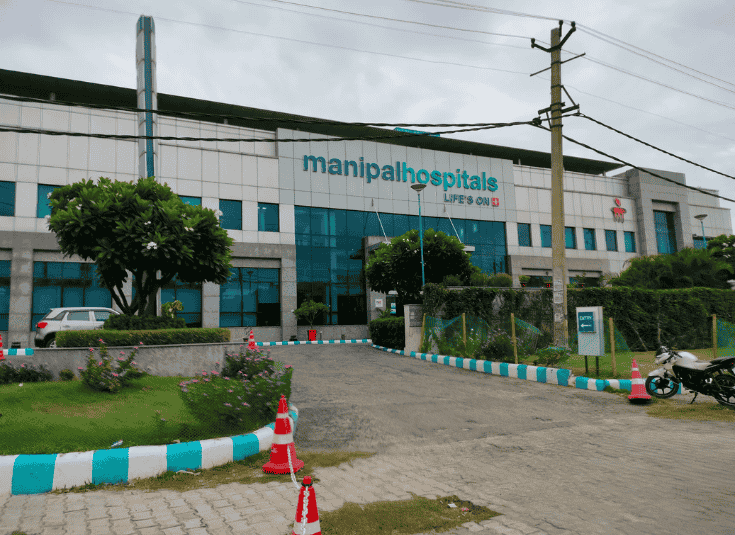
 Address :Manipal Hospital, Gol Chakkar, Carterpuri Rd, Block F, Palam Vihar, Gurgaon 122017, Haryana